- H-FARM AI's Newsletter
- Posts
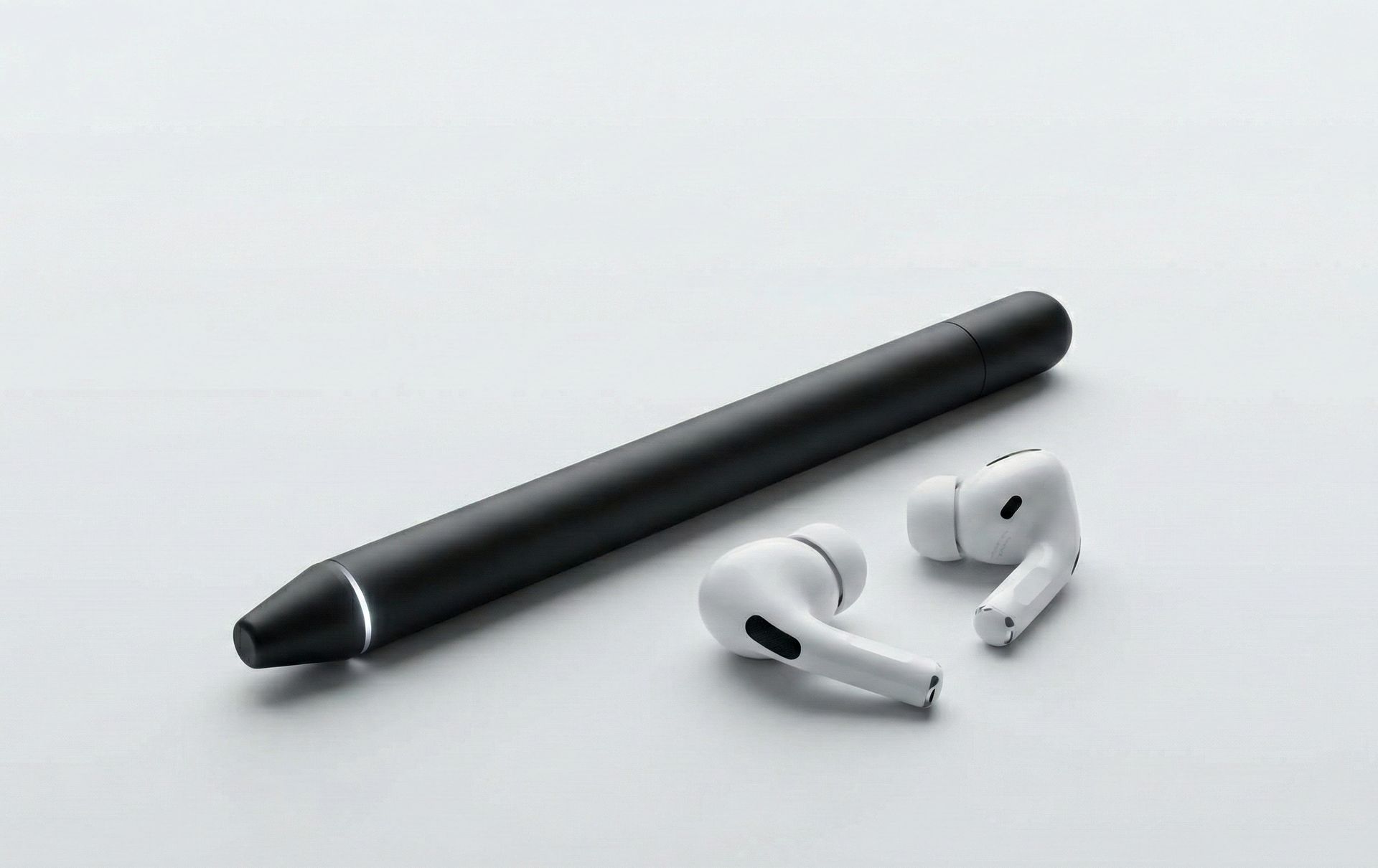
- OpenAI races to ship audio-first personal device
OpenAI races to ship audio-first personal device
PLUS: Webflow CPO builds AI Chief of Staff & DeepSeek publishes training method before R2. Pickle ships 68g AR glasses, Instagram shifts as AI kills polished posts.

In today’s agenda: 2️⃣ Meta unveils Self-play SWE-RL, a system where coding models autonomously create and fix bugs using test feedback 3️⃣ DeepSeek publishes efficient training framework as R2 model launch expected around February |
|
MAIN AI UPDATES / 2nd January 2026
🤖 OpenAI races to ship audio-first device in 12 months 🤖
OpenAI bets on voice interfaces as current audio models lag behind text-based ChatGPT.
OpenAI has reorganized internal teams to accelerate audio AI development, with plans to launch an audio-first personal device within 12 months. The move aligns with a broader Silicon Valley shift toward voice-first interfaces, as Meta, Google, and Tesla integrate conversational audio into everyday products. Current voice models reportedly lag behind text-based ChatGPT in accuracy and speed—a gap OpenAI aims to close. An upgraded model expected in Q1 2026 will introduce "barge-in" capability, letting users interrupt and redirect the AI mid-response without breaking conversation flow. This signals OpenAI's intent to compete directly in consumer hardware, where pricing and distribution will determine mass adoption.
🧠 Webflow CPO builds AI Chief of Staff 🧠
A hands-on executive blueprint for driving AI adoption across organizations.
Rachel Wolan, Chief Product Officer at Webflow, developed a custom AI chief of staff to handle scheduling, meeting preparation, and provide candid feedback on her work. The system uses markdown files for knowledge management and calendar delegation to optimize time and workflow efficiency. Beyond personal productivity gains, Wolan's hands-on approach helped executives understand AI's practical potential, leading to organization-wide adoption including dedicated "builder days" and top-down mandates for AI experimentation. This case study shows how leaders can accelerate integration by becoming practitioners themselves—a model increasingly relevant as companies seek competitive advantage through AI adoption.
🇨🇳 DeepSeek publishes training method before R2 launch 🇨🇳
Chinese lab advances efficiency research amid hardware export restrictions.
Chinese AI lab DeepSeek has published research on a more efficient training approach using Manifold-Constrained Hyper-Connections (MHC). The framework aims to improve scalability while reducing computational and energy demands—a key competitive advantage given US hardware export restrictions facing Chinese companies. The publication timing suggests DeepSeek is preparing a major model release soon. Industry sources expect the R2 model to launch around February's Spring Festival, potentially challenging Western frontier models on efficiency metrics. This matters for global AI competition, as efficiency gains could help Chinese labs close capability gaps despite chip access limitations.
INTERESTING TO KNOW
👓 Pickle ships 68g AR glasses as 'soul computer' 👓
California YC’s startup Pickle has entered the wearable AI race with Pickle 1, a 68-gram aluminum AR glasses designed as a proactive AI companion. The device captures real-world context via onboard cameras, running on proprietary "Pickle OS" that organizes experiences into searchable "memory bubbles." The rollout intensifies competition in AI wearables, where Apple and Meta experiment with smart glasses while others like Rabbit have seen limited success with handheld devices.
📱 Instagram head says AI forces platform to "evolve fast" 📱
Instagram leader Adam Mosseri published an essay arguing that AI-generated content has killed the curated aesthetic that made the platform famous. Mosseri stated that most users under 25 have already abandoned polished grids for raw, unpolished direct messages and candids as the only proof of authenticity. Instagram plans to label AI content, surface more context about accounts, and build tools so creators can compete with AI-generated posts flooding the platform.

📩 Have questions or feedback? Just reply to this email , we’d love to hear from you!
🔗 Stay connected: